


What are the factors that cause damage to highway guardrails?
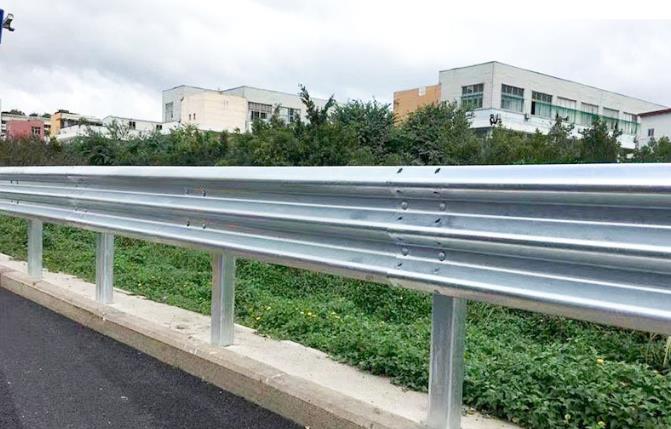
Highway guardrails are a common and important facility on highways, which can reduce the losses caused by accidents and protect the safety of passengers in case of accidents.
So, the maintenance and replacement of guardrails is also an extremely important task. So, what are the reasons for the damage of highway guardrails?
There are two main reasons for the damage of highway guardrails:
Natural factors
The highway guardrail panels are installed on both sides of the road and are subjected to harsh weather conditions, resulting in varying degrees of damage and oxidation rust on the surface of the guardrail panels. When the guardrail board rusts, it accelerates the rate of secondary oxidation, greatly reducing the service life of the guardrail board.
Human factors
When a vehicle collides with it, due to the excellent collision resistance and energy absorption of the corrugated steel guardrail on the highway, it is not easily damaged and can provide good protection for the vehicle and passengers. When road maintenance or other reasons require merging, it is convenient to pull out and remove the various guardrail columns at the opening to open a passage for vehicle traffic. Guardrail boards not only protect the safety of vehicles and personnel, but also cause corresponding damage to highway guardrails.
Therefore, after the installation of the guardrail board on the road, regular maintenance and repair should be carried out to effectively ensure the extension of the guardrail board's service life.
-
What are the factors that cause damage to highway guardrails?
What are the factors that cause damage to highway guardrails?
Highway guardrails are a common and important facility on highways, which can reduce the losses caused by accidents and protect the safety of passengers in case of accidents.
So, the maintenance and replacement of guardrails is also an extremely important task. So, what are the reasons for the damage of highway guardrails?
There are two main reasons for the damage of highway guardrails:
Natural factors
The highway guardrail panels are installed on both sides of the road and are subjected to harsh weather conditions, resulting in varying degrees of damage and oxidation rust on the surface of the guardrail panels. When the guardrail board rusts, it accelerates the rate of secondary oxidation, greatly reducing the service life of the guardrail board.
Human factors
When a vehicle collides with it, due to the excellent collision resistance and energy absorption of the corrugated steel guardrail on the highway, it is not easily damaged and can provide good protection for the vehicle and passengers. When road maintenance or other reasons require merging, it is convenient to pull out and remove the various guardrail columns at the opening to open a passage for vehicle traffic. Guardrail boards not only protect the safety of vehicles and personnel, but also cause corresponding damage to highway guardrails.
Therefore, after the installation of the guardrail board on the road, regular maintenance and repair should be carried out to effectively ensure the extension of the guardrail board's service life.
2024-12-04MORE+ -
How should traffic water horses be used correctly? Are there any regulations?
How should traffic water horses be used correctly? Are there any regulations?
-
The role of iron horse guardrails in traffic safety
The role of iron horse guardrails in traffic safety
-
Set up some speed reduction signs on the road surface with cast steel speed bumps
Set up some speed reduction signs on the road surface with cast steel speed bumps
-
Factors to be considered in the design of road guardrails
Factors to be considered in the design of road guardrails